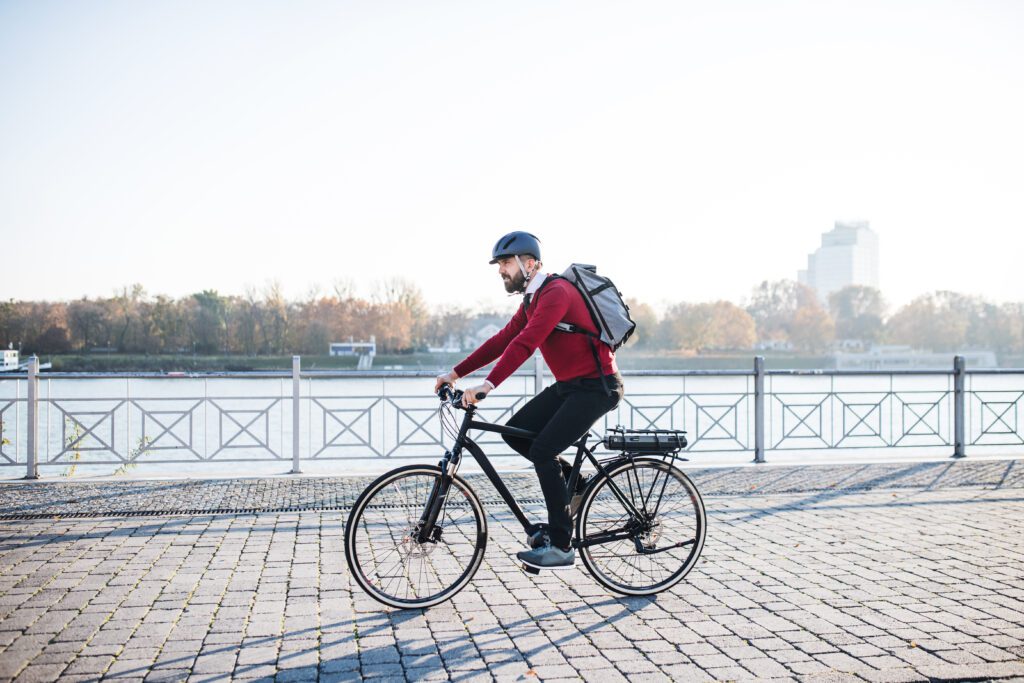
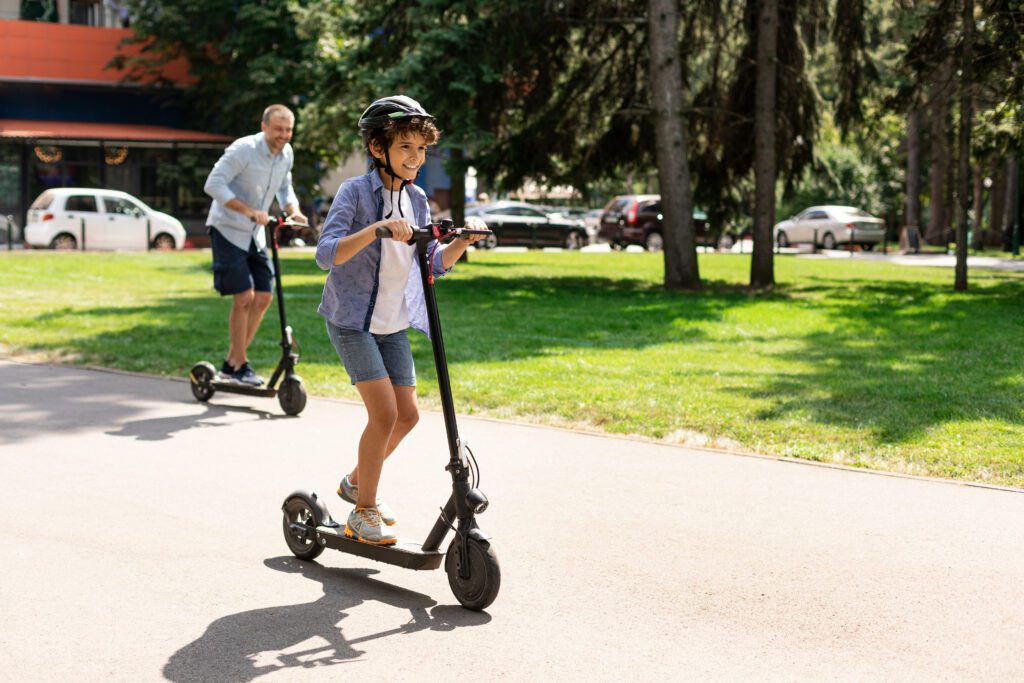
E-bikes and electric scooters are becoming a common sight on Wisconsin roads, trails, and neighborhoods, offering a convenient and fun way to get around. As more people choose these electric-powered alternatives for recreation and transportation, it’s important to understand what qualifies as an e-bike or electric scooter, where they can be ridden, and how insurance coverage applies.
What is an e-bike?
According to Wisconsin Statute 340.01 (15ph), an e-bike is defined as a bicycle with working pedals and electric motor of 750 watts or less. E-bikes fit into one of three types:
Class 1: Motor helps only when you pedal and stops helping at 20 mph.
Class 2: Motor can power the bike without pedaling, but stops helping at 20 mph.
Class 3: Motor helps only when you pedal and stops helping at 28 mph.

What is an electric scooter?
According to Wisconsin Statute 340.01 (15ps), an electric scooter is defined as a lightweight device less than 100 pounds with handlebars and an electric motor. They can be powered by motor and/or human effort, reaching a maximum speed of 20 mph (on flat pavement using only the motor).
Electric scooters do not include electric wheelchairs, motorcycles, motor bikes, e-bikes, or mopeds (sitting scooters are considered mopeds).
Who can ride them?
Riders must be at least 16 years old to ride a Class 3 e-bike (defined above). There are no age restrictions for Class 1 and Class 2 e-bikes, or electric scooters.
Any motorized bike above Class 3 is considered a moped and requires a driver’s license.
Where can you ride e-bikes and electric scooters?
In general, e-bikes and electric scooters are allowed on public roads, trails, paths, and bike paths. Local governments may have additional rules and regulations on where e-bikes and electric scooters are allowed, as accidents have risen across Wisconsin in recent years.
Riders must follow the same traffic laws and safety rules as non-motorized bikes and scooters.
Accidents and injuries are on the rise
In Wisconsin, injuries from electric scooter and vehicle crashes increased by 240% over a three-year period starting in 2023. During that same period, injuries from e-bikes and vehicle accidents increased by 171%.
Children are most at risk of being injured in an accident involving an e-bike or electric scooter.
How are e-bikes and electric scooters insured?
Liability coverage for bodily injury and property damage from the operation of an e-bike or electric scooter is provided on Home and Farm policies, if:
- It wasn’t built or modified after manufacture to exceed a speed of 28 mph on level ground.
- It’s not a moped or motorized golf cart.
Mopeds (including sitting scooters) must be written on an auto policy and are subject to licensing and insurance regulations.
How do I get property coverage for an e-bike or electric scooter?
E-bikes and electric scooters must be scheduled as items of personal property on your Home or Farm policy. This allows you to set a limit and a separate deductible for eligible e-bikes or scooters.
E-bikes which exceed the guidelines for Class 3 are not eligible for coverage.
Our staff is knowledgeable on how e-bikes and electric scooters are insured and can provide a recommendation based on your situation. Contact a local agent today to learn more.